Bouncing Back: My Journey Through Injury and Recovery
Written by Emily Vasseur, LCPC
I feel strongly that boundaries in the mental health field not only make us successful, but allow therapists to have long and valuable careers. Being able to hold space for our clients, and for our clients to feel confident that we can hold that space, is crucial to building an environment that promotes recovery and a strong rapport. Therapists care about our clients. We do think about them outside of sessions. We are in this field because we care and want our clients to heal and go on to live the type of lives that they want to live. That being said, being able to turn off at the end of the day after a long day of sessions is crucial to balancing work and our personal lives. All that being said, I am going to pull the curtain back on part of the reason why I became a therapist and also why I’m so interested in working with athletes.
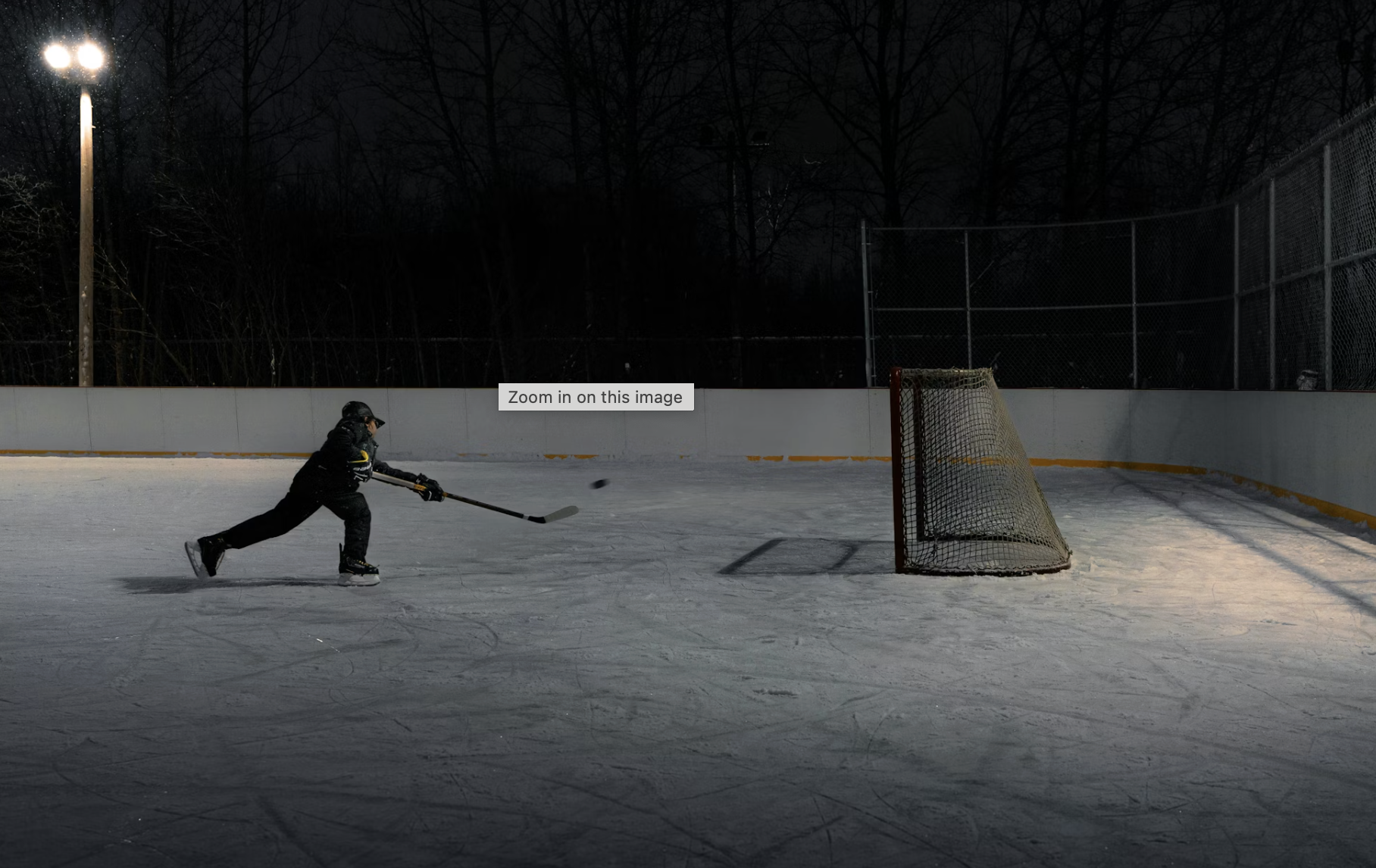
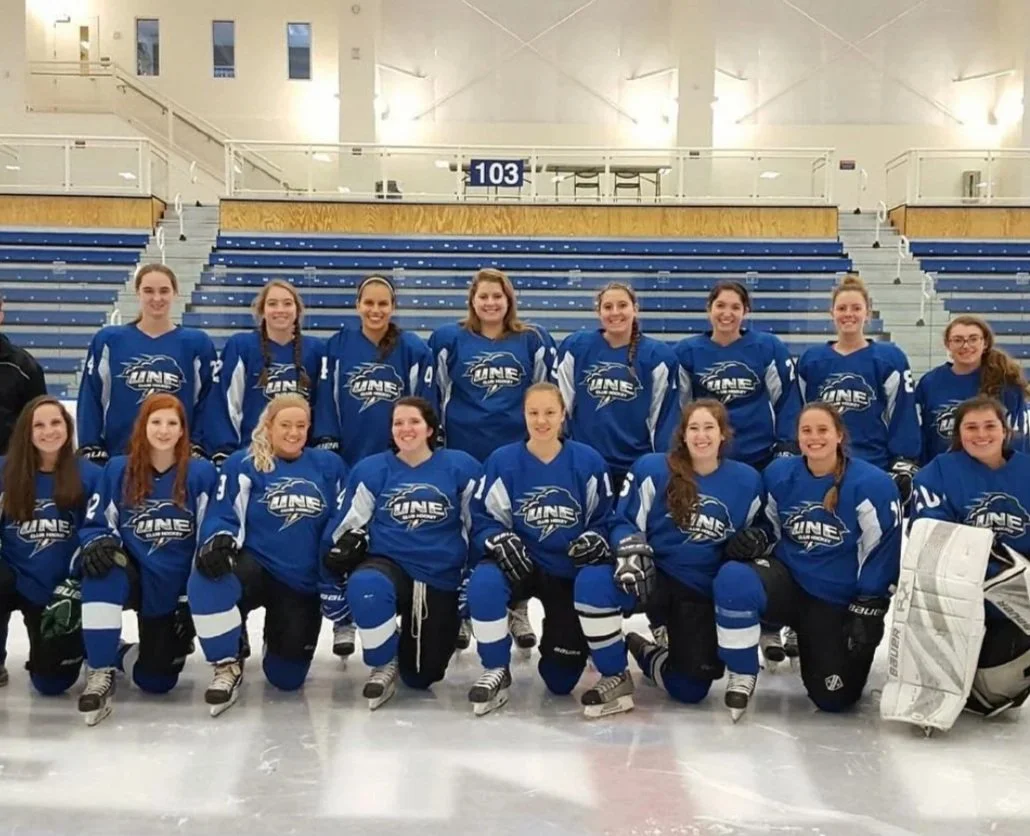
I learned to skate from a young age. My grandfather volunteered at a small rink in Vermont where he would run the Zamboni, and we would go and spend our days drinking hot chocolate and figure skating. The rink and the soccer field were key places where my competitiveness grew and thrived. It wasn’t until I was probably ten or eleven years old when my father decided it was time to try hockey. I played in a league with girls much older than me and was always entranced by how fast and strong they were. It easily grew into a passion that I would take with me all the way through college.
In my senior year of college, I was playing a game against the University of Maine. It was a normal day and my team was winning. We were looking forward to our senior game and playoffs in the next couple of weeks. I remember the moment distinctly when my athletic world changed. A girl wrapped her leg around mine as we were going into battle for a puck, and as she skated away, I heard a pop. Anyone who has played competitive sports knows that a pop is the scariest sound you can hear. I fell hard and heard a crunch. The next moments went by quickly, with medical staff and my coach coming to evaluate and help me off the ice. I remember being adamant that I wanted to stay, watch the game, and that I did not want an ambulance. I left of my own accord and my team won that game. Based on our athletic trainer’s face, though, it was clear that I had not won that game.
The next month was a blur of orthopedic visits, physical therapy appointments, and training sessions with the college staff. We found out that not only had I torn my ACL, but also my MCL, PCL, meniscus, and chipped my kneecap. The running joke in my family and on my team was that “Emily never does anything halfway, and that includes injuries.” I ended up doing student teaching from a wheelchair and had surgery while my team came in second place in playoffs. Those were the easy parts of the recovery.
Growing up as an athlete can seem simple from the outside. It can look like just practices and games in addition to real life. For athletes, it is so much more. As we grow up, each practice and game solidifies the word “athlete” as a piece of our identity. It becomes the way you make friends, your social circle, and how you spend your free time. In an instant, when someone suffers a career-altering or career-ending injury, that identity can feel gone. You are no longer expected at practices or games. Instead, you are expected to go to physical therapy sessions one-on-one rather than compete as part of a team. Because this injury happened during my senior season, it was also the end of my competitive career in sports. It was life-changing—more than someone who has never played sports could fully understand.
I have been known to pretend everything is “fine.” I am what some people in the therapy world call “high functioning.” Even when I am struggling, I show up. As the captain of my team, it was incredibly difficult to watch them play games without me. I remember the moment where I found solace in my struggle. I was having a difficult physical therapy session with my athletic trainer, Anthony. He became my rehabilitation buddy and my constant throughout my physical therapy sessions. I was struggling to get my quad to activate or even bend my knee without sweating profusely. Anyone who has had knee surgery can understand how even gaining a degree in flexion can mean the world. I looked at Anthony, we made eye contact, and he immediately knew something was wrong.
He took me to the back room—the first room where I had been evaluated—and I broke down and cried. He completely let me. I was honest about how it was not the physical pain I was struggling with, but the emotional avalanche of my life being completely different and being unable to use my most familiar coping mechanism: sport. I cried about how doing something as simple as lifting my leg felt useless for someone who was used to doing passing and skating drills on the ice. I was truly starting from square one, a place I hadn’t been in since I was learning to skate not long after I could walk. That space with Anthony felt vulnerable, but also so healing. I needed someone to talk to about my mental struggles, and though he was not a therapist, he was the perfect fit at the time.
Looking back on those struggles, I wish I had gone to therapy. It was not something widely discussed at my school in Maine unless you were actively considering harming yourself. I found myself learning from my teammates, the lead teacher in my student teaching classroom, and a director in the athletic department. As I taught from crutches or a walking brace, I found myself delving deeper into the mental health world, caring less about academic struggles and more about how people were coping emotionally. I ended up applying to The Johns Hopkins University and almost declining my interview because I would have had to fly to Baltimore, something my knee was not up for. I ultimately interviewed virtually and later did an in-person walkthrough with Dr. Day-Vines. It changed my life.
Losing what felt like my whole identity at twenty-two felt like my life was ending. It felt like having 20/20 vision and suddenly putting on reading glasses—everything was blurry. I needed to learn new ways of coping, communicating, and regulating my emotions. I feel grateful for my friends and family who stood by me during that time, even though I know I was not always easy to be around. That being said, with the right support and the right people guiding me, I got into Hopkins and became a therapist who thrives on working with clients who have been through all different types of trauma. I believe it gives me valuable insight into what my clients are feeling and helps me connect on a level I would not be able to without my experience with my knee injury. Even when my vision blurred, I adapted and intentionally worked to bring my world back into clear focus.
I feel fortunate that I have the opportunity to work with clients through some of their darkest days. I feel lucky to have done the research and training needed to help clients identify what their life worth living looks like, whether that is a completely new world or one they are building off of. I do not often self-disclose in session because I need my clients to know and understand that our time is about them. They do not need to worry about me. That being said, at times disclosing a small piece of myself helps clients realize that I can truly empathize with many of the feelings they are experiencing. With my athlete clients in particular, it helps build credibility. Though I would have loved not to have torn my ACL, I do owe that experience for how much it taught me about my career and life in general. Plus, keeping with the theme of hockey, at least I can say I had the same graft and even the same surgeon as some of our favorite Olympians and NHL stars.