
Bouncing Back: My Journey Through Injury and Recovery
Written by Emily Vasseur, LCPC
I feel strongly that boundaries in the mental health field not only make us successful, but allow therapists to have long and valuable careers. Being able to hold space for our clients, and for our clients to feel confident that we can hold that space, is crucial to building an environment that promotes recovery and a strong rapport. Therapists care about our clients. We do think about them outside of sessions. We are in this field because we care and want our clients to heal and go on to live the type of lives that they want to live. That being said, being able to turn off at the end of the day after a long day of sessions is crucial to balancing work and our personal lives. All that being said, I am going to pull the curtain back on part of the reason why I became a therapist and also why I’m so interested in working with athletes.
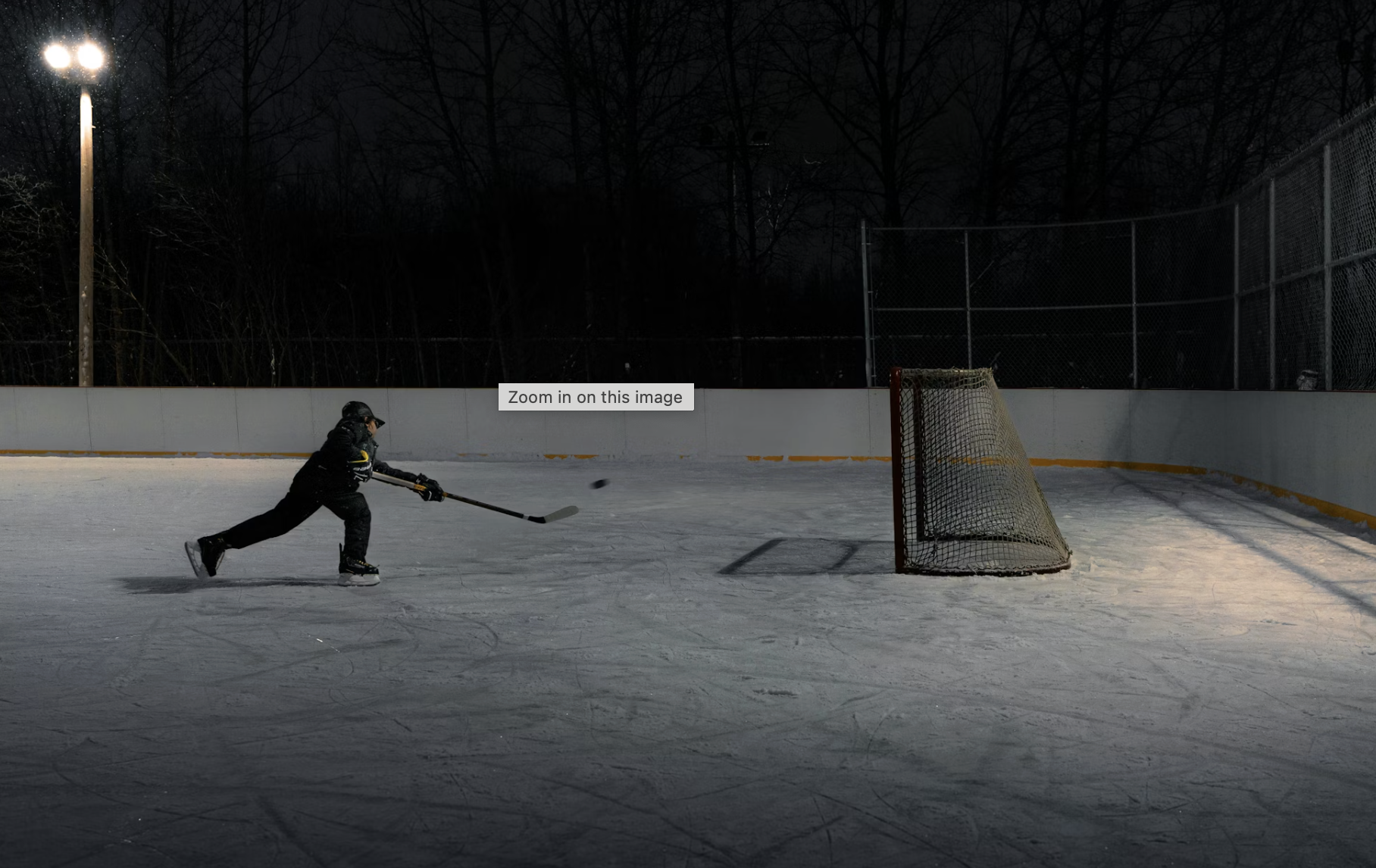
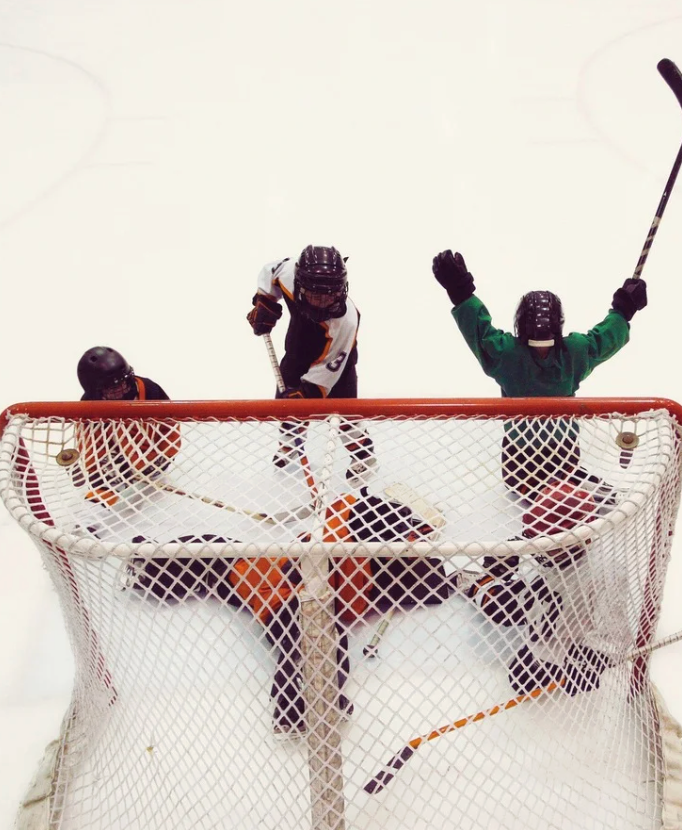
I learned to skate from a young age. My grandfather volunteered at a small rink in Vermont where he would run the Zamboni, and we would go and spend our days drinking hot chocolate and figure skating. The rink and the soccer field were key places where my competitiveness grew and thrived. It wasn’t until I was probably ten or eleven years old when my father decided it was time to try hockey. I played in a league with girls much older than me and was always entranced by how fast and strong they were. It easily grew into a passion that I would take with me all the way through college.
In my senior year of college, I was playing a game against the University of Maine. It was a normal day and my team was winning. We were looking forward to our senior game and playoffs in the next couple of weeks. I remember the moment distinctly when my athletic world changed. A girl wrapped her leg around mine as we were going into battle for a puck, and as she skated away, I heard a pop. Anyone who has played competitive sports knows that a pop is the scariest sound you can hear. I fell hard and heard a crunch. The next moments went by quickly, with medical staff and my coach coming to evaluate and help me off the ice. I remember being adamant that I wanted to stay, watch the game, and that I did not want an ambulance. I left of my own accord and my team won that game. Based on our athletic trainer’s face, though, it was clear that I had not won that game.
The next month was a blur of orthopedic visits, physical therapy appointments, and training sessions with the college staff. We found out that not only had I torn my ACL, but also my MCL, PCL, meniscus, and chipped my kneecap. The running joke in my family and on my team was that “Emily never does anything halfway, and that includes injuries.” I ended up doing student teaching from a wheelchair and had surgery while my team came in second place in playoffs. Those were the easy parts of the recovery.
Growing up as an athlete can seem simple from the outside. It can look like just practices and games in addition to real life. For athletes, it is so much more. As we grow up, each practice and game solidifies the word “athlete” as a piece of our identity. It becomes the way you make friends, your social circle, and how you spend your free time. In an instant, when someone suffers a career-altering or career-ending injury, that identity can feel gone. You are no longer expected at practices or games. Instead, you are expected to go to physical therapy sessions one-on-one rather than compete as part of a team. Because this injury happened during my senior season, it was also the end of my competitive career in sports. It was life-changing—more than someone who has never played sports could fully understand.
I have been known to pretend everything is “fine.” I am what some people in the therapy world call “high functioning.” Even when I am struggling, I show up. As the captain of my team, it was incredibly difficult to watch them play games without me. I remember the moment where I found solace in my struggle. I was having a difficult physical therapy session with my athletic trainer, Anthony. He became my rehabilitation buddy and my constant throughout my physical therapy sessions. I was struggling to get my quad to activate or even bend my knee without sweating profusely. Anyone who has had knee surgery can understand how even gaining a degree in flexion can mean the world. I looked at Anthony, we made eye contact, and he immediately knew something was wrong.
He took me to the back room—the first room where I had been evaluated—and I broke down and cried. He completely let me. I was honest about how it was not the physical pain I was struggling with, but the emotional avalanche of my life being completely different and being unable to use my most familiar coping mechanism: sport. I cried about how doing something as simple as lifting my leg felt useless for someone who was used to doing passing and skating drills on the ice. I was truly starting from square one, a place I hadn’t been in since I was learning to skate not long after I could walk. That space with Anthony felt vulnerable, but also so healing. I needed someone to talk to about my mental struggles, and though he was not a therapist, he was the perfect fit at the time.
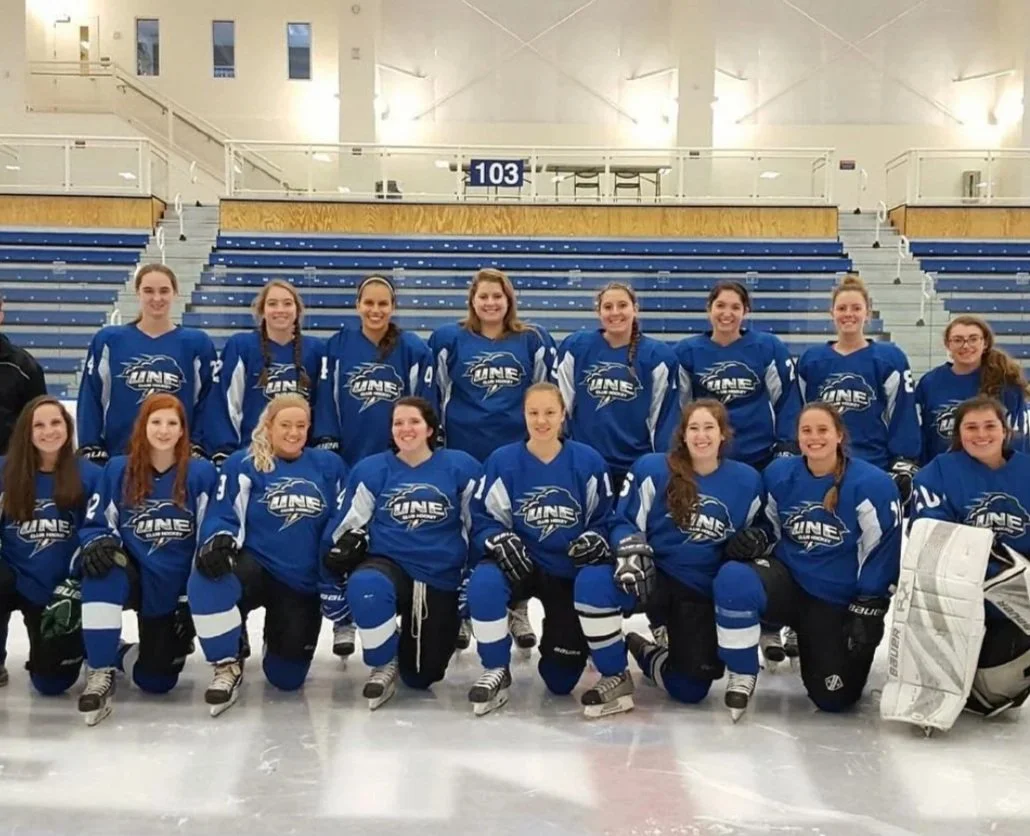
Looking back on those struggles, I wish I had gone to therapy. It was not something widely discussed at my school in Maine unless you were actively considering harming yourself. I found myself learning from my teammates, the lead teacher in my student teaching classroom, and a director in the athletic department. As I taught from crutches or a walking brace, I found myself delving deeper into the mental health world, caring less about academic struggles and more about how people were coping emotionally. I ended up applying to The Johns Hopkins University and almost declining my interview because I would have had to fly to Baltimore, something my knee was not up for. I ultimately interviewed virtually and later did an in-person walkthrough with Dr. Day-Vines. It changed my life.
Losing what felt like my whole identity at twenty-two felt like my life was ending. It felt like having 20/20 vision and suddenly putting on reading glasses—everything was blurry. I needed to learn new ways of coping, communicating, and regulating my emotions. I feel grateful for my friends and family who stood by me during that time, even though I know I was not always easy to be around. That being said, with the right support and the right people guiding me, I got into Hopkins and became a therapist who thrives on working with clients who have been through all different types of trauma. I believe it gives me valuable insight into what my clients are feeling and helps me connect on a level I would not be able to without my experience with my knee injury. Even when my vision blurred, I adapted and intentionally worked to bring my world back into clear focus.
I feel fortunate that I have the opportunity to work with clients through some of their darkest days. I feel lucky to have done the research and training needed to help clients identify what their life worth living looks like, whether that is a completely new world or one they are building off of. I do not often self-disclose in session because I need my clients to know and understand that our time is about them. They do not need to worry about me. That being said, at times disclosing a small piece of myself helps clients realize that I can truly empathize with many of the feelings they are experiencing. With my athlete clients in particular, it helps build credibility. Though I would have loved not to have torn my ACL, I do owe that experience for how much it taught me about my career and life in general. Plus, keeping with the theme of hockey, at least I can say I had the same graft and even the same surgeon as some of our favorite Olympians and NHL stars.
The Jack-in-the-Box: How Dylan Strome Found His Place in Washington
Written by Emily Vasseur, LCPC
In our first blog post, we explored how the Washington Capitals have created an environment where players like Pierre-Luc Dubois and Logan Thompson can find a home and thrive. We examined how the team’s culture, combined with principles of sports psychology — belonging, confidence, and identity — helps players perform at their best both on and off the ice. Next, we turn our attention to Dylan Strome, who we will explore as the Jack-in-the-Box of the Capitals’ roster. His journey shows how the right environment can unlock untapped potential and turn early uncertainty into breakout performance.
The Jack-in-the-Box in the Island of Misfit Toys was perfectly functional. Despite this, everyone in Rudolph the Red-Nosed Reindeer (1964) considered him either useless, broken, or a misfit. He wanted to be something different, a dentist, which the other toys believed was impossible or silly. The story demonstrates that he is not a broken toy, but rather needed a place where he was valued, accepted, and encouraged to be the best he could be. This aligns with Dylan Strome’s career. He was often misjudged early in his NHL journey, but in Washington, he has finally found a place where he can thrive, given the right environment and role.
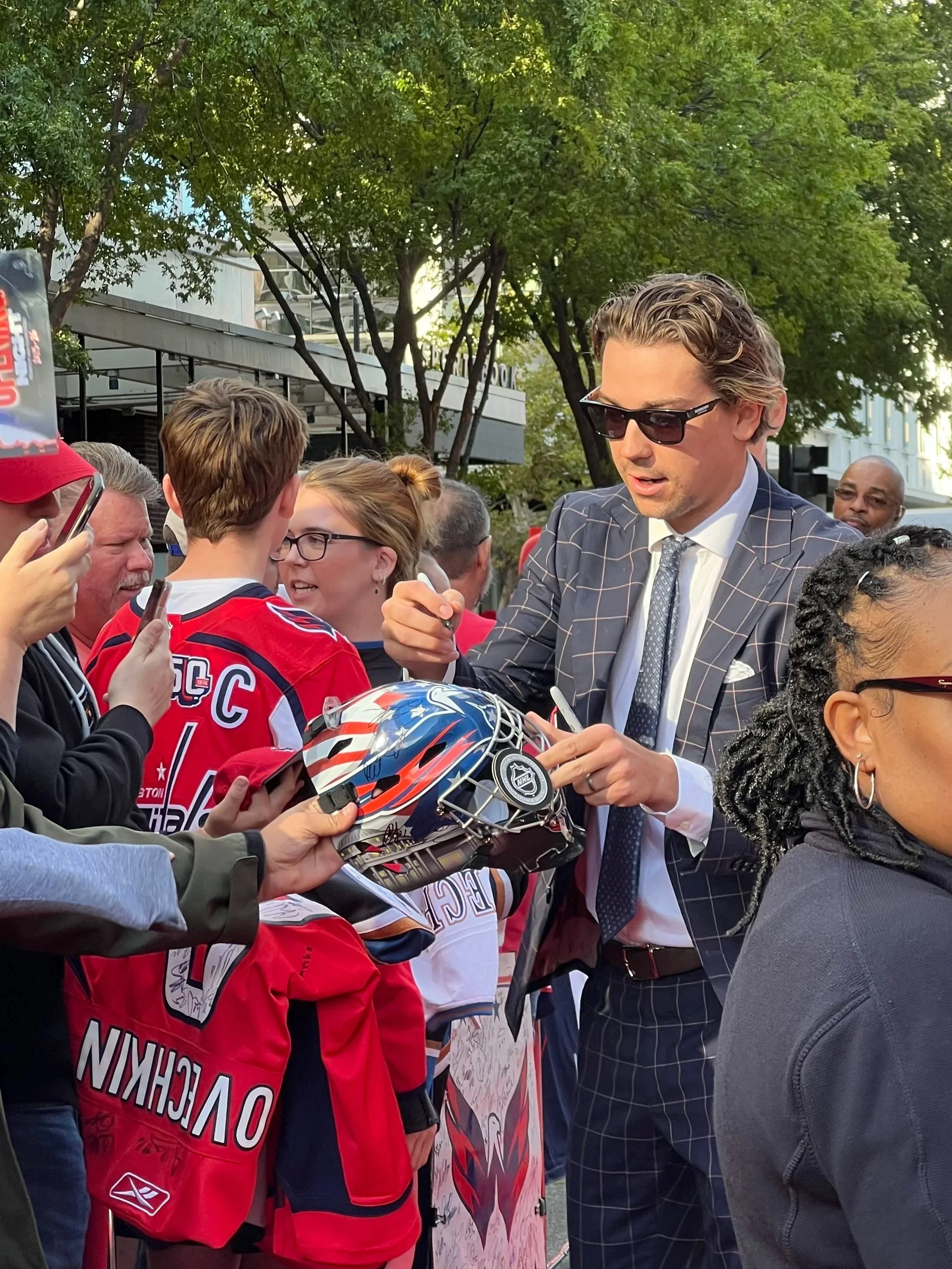
Dylan Strome was born on March 7, 1997, in Ontario. He played major junior hockey in the Ontario Hockey League (OHL) for the Erie Otters, where he played alongside Connor McDavid. Drafted 3rd overall in 2015 by the Arizona Coyotes, he made his NHL debut in 2016-17, playing seven games. Over the next several seasons with both Arizona and Chicago, Strome struggled with consistency and fitting into team systems, with media describing him as a “bust” or “struggling to find traction” (NHLPA, 2019). His move to Chicago in 2018 marked a turning point; production increased, but his path to consistent performance remained uneven. As Strome reflects, “Just less than a year later, I was traded to Chicago, and it’s amazing how a change of scenery can change everything… all those feelings of being a bust just went away. I was just me again” (Strome, 2025).
Enter Washington. At the time of his signing, many were unsure if Strome would live up to expectations. One columnist admitted, “At this time last season I was not sold on the Washington Capitals signing Dylan Strome… I was not that convinced Strome was even that good of a player” (Stars and Sticks, 2023). Yet a year later, opinions shifted: “Well, how time can change things… Strome’s new, much bigger contract could actually be one heck of a contract for the Washington Capitals” (Stars and Sticks, 2023). This evolution reflects more than just points and goals; it illustrates a key concept from sports psychology: when athletes feel supported, included, and trusted, their confidence and performance can surge (Carron & Eys, 2012). In Washington, Strome finally found an environment where he is trusted, valued, and encouraged to play confidently, unlocking both his performance and his sense of self. As he reflects, “I’m so thankful to be here in Washington, to be a part of the Capitals family… I don’t take any of this for granted” (Strome, 2025).
Since joining the Capitals, Strome’s confidence has translated directly to his on-ice performance. With a clear role as a first-line center and the support of his teammates and coaching staff, he has increased his scoring output and playmaking impact, demonstrating how a positive environment fosters measurable success. Sports psychology research shows that when athletes feel included, trusted, and valued, their motivation and focus improve, often leading to stronger performance outcomes (Carron & Eys, 2012). Strome’s growth illustrates this principle: the right combination of team culture, leadership, and personal support allows players to reach their full potential, turning early doubts into tangible achievements.
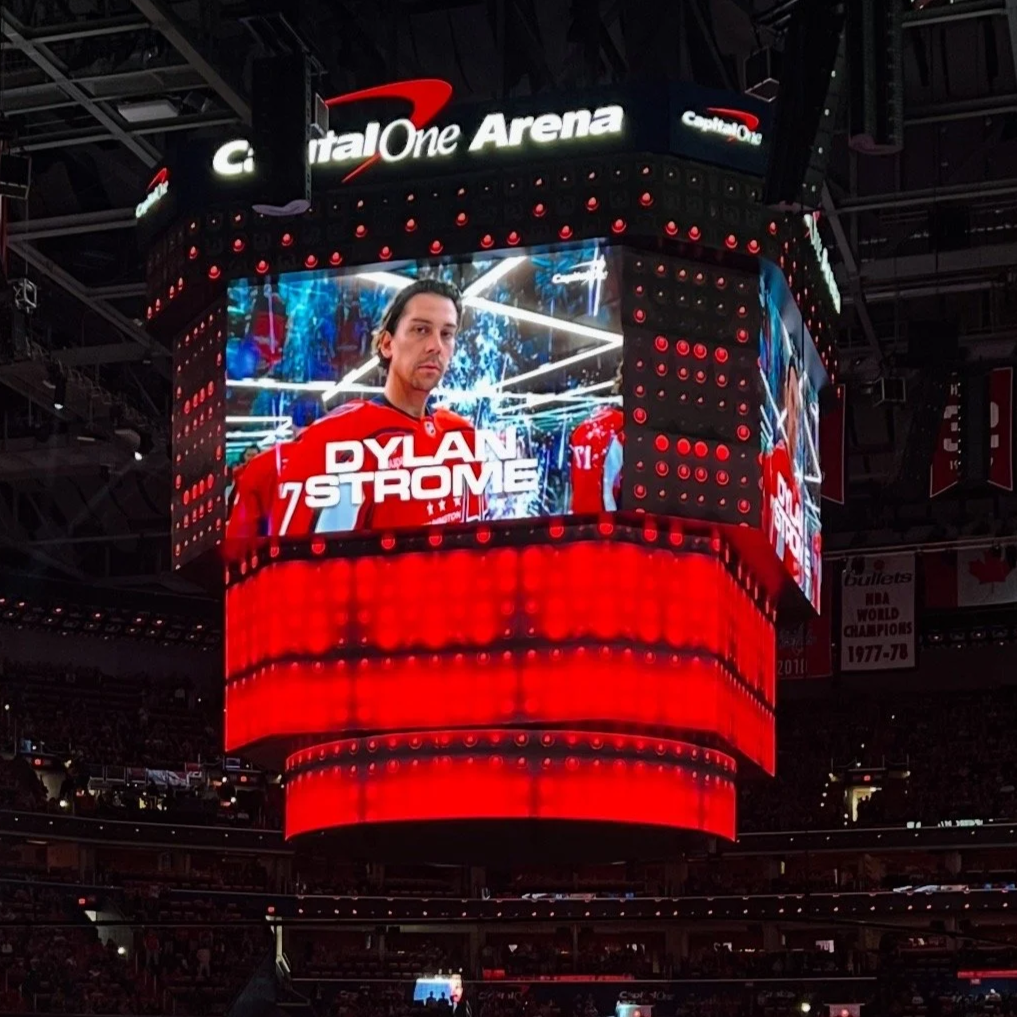
The Jack-in-the-Box in Rudolph the Red-Nosed Reindeer wasn’t defective; he simply wanted to be something different than what the world expected of him. Similarly, Dylan Strome faced enormous expectations growing up — playing alongside Connor McDavid and being drafted 3rd overall — and didn’t always fit the mold the hockey world had set. In Washington, he finally found an environment where he is trusted, valued, and encouraged to play confidently, unlocking both his performance and his sense of self. His journey highlights the Capitals’ culture of belonging, patience, and support, showing how the right environment can turn early uncertainty into growth and success.
This story of redemption and confidence is just one example from the Capitals’ “Island of Misfit Toys.” In future articles, we’ll explore how other players, as well as Coach Carberry and the team’s leadership, cultivate this culture, helping athletes of all backgrounds find their place and perform at their best.
References
Carron, A. V., & Eys, M. A. (2012). Group dynamics in sport (4th ed.). Fitness Information Technology.
NHLPA. (2019, March 19). Out of the desert: Strome excelling with Blackhawks following trade from Coyotes. NHLPA. https://www.nhlpa.com/news/2-11952/strome-excelling-with-blackhawks-following-trade-from-coyotes?utm_source=chatgpt.com
Stars and Sticks. (2023, September 14). Dylan Strome’s contract could be a steal for the Capitals. StarsAndSticks.com. https://starsandsticks.com/2023/09/14/dylan-stomes-contract-could-be-a-steal-for-the-capitals/
Strome, D. (2025, April 22). For Washington. The Players’ Tribune.https://www.theplayerstribune.com/dylan-strome-nhl-hockey-washington-capitals
From Overlooked to Unstoppable: The Capitals’ Culture of Second Chances
Written by Emily Vasseur, LCPC
Almost everyone knows the story of Rudolph the Red-Nosed Reindeer. It’s a story of a young reindeer born with a glowing red nose. He’s different, teased relentlessly, and often made to feel as if he is an outsider. Rudolph's journey begins when he leaves home and encounters other “misfits” like him. Rudolph and his new friends start to realize that they aren’t broken, they were just living in a world where no one took the time to truly understand them. Here, they start to embrace what makes them unique, find belonging, and also redeem themselves through acceptance.
The Island of Misfit Toys is both a magical and a lonely place where broken or unwanted toys end up. I remember watching Rudolph and feeling empathy for the cowboy who rides an ostrich, the train with square wheels, a bird that swims instead of flies, a doll that no one picks, and a Jack-in-the-Box named Charlie. As a child, I felt their sadness and confusion with ending up in this place. They call themselves misfits because they don’t fit the exact mold that the world set out for them. This is how I see the Washington Capitals.
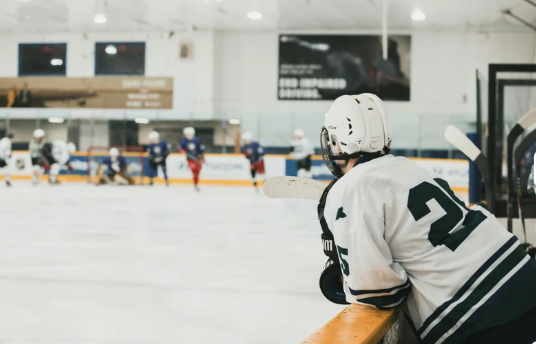
Dylan Strome, a center/forward, played in Arizona and Chicago before finding his home at the Capitals. When Strome was first drafted third overall in 2015, there were so many high expectations: become an elite first-line center and potentially franchise altering among them. Years later, he found himself bouncing between the AHL and NHL, often struggling to stay consistent. One of his coaches, Rick Tocchet, once said, “The talent is there, but it’s about consistency. He needs to bring it every night.” Strome himself, in an article by the Player’s Tribune, once said, “I was sent down to the AHL…three years into my career…I wasn’t there yet. It was impossible not to hear all that noise. I listened to people call me a bust.” Since signing with Washington, he has been anything but.
I’d be remiss if I did not mention the stats when referring to Dylan, who has often reported getting a lot of enjoyment from knowing the numbers from around the league. Prior to his time in Washington, Dylan scored 67 goals and completed 103 assists in his first six NHL seasons. In his first full season with Washington in 2022, he scored 65 points (23 goals, 42 assists). In the next, he scored 67 (27 goals, 40 assists). This means that since arriving in Washington, Dylan Strome has more than doubled his production — scoring 124% more goals per season and 139% more assists per season compared to his first six years in the NHL. In the same article, written by Strome himself, he mentioned never knowing if he would ever “be on a team like this, in a city like this.” Strome signed a one-year contract with Washington, and it did not take long for him to show that he deserved an extension. More so than that, he was a misfit no more. He went from doubt and disposability to belonging and stability in a short time. With some bias, this writer feels that he has one of the highest hockey IQs in the league and has shown how a “misfit” with the right fit can easily become a contender.
Pierre-Luc Dubois was traded to the Washington Capitals in 2024. He’s been moved around from the Columbus Blue Jackets, Winnipeg Jets, and Los Angeles Kings. He’s what I would describe as the misfit toy of unsettled talent. Moving amongst that many teams (while somewhat normal in the NHL) does not allow someone to truly settle and get used to the system. On previous teams, he was once described as inconsistent. That changed in a very short time when he was traded to the Capitals. In an article written by reporter Sammi Silber, Coach Carbery stated, “I was confident that [Dubois] was going to be a good player for us, but you never know. I mean, you hope that he’ll succeed. I was just so impressed with him, the whole package.” Dubois himself said, “This is the most fun I’ve had playing hockey. This group, the enthusiasm, the fun we have, is contagious and it bleeds onto the ice…I couldn’t have asked for more. I couldn’t have asked for better.” Though currently injured, it’s clear that after earning stability with the Capitals, he has flourished.
These are just two examples of how the Washington Capitals appear to have some sort of magic in the ice, not dissimilar from the magic integrated into the Island of Misfit Toys. The island symbolizes second chances, acceptance, and finding a place where one can finally fit in. According to valuable research in Sports Psychology from Naomi Eisenberger, PhD, when players feel a sense of belonging, it helps calm the part of the brain that signals that there is a threat and allows the reward centers to be activated. When a player feels supported in their environment, their amygdala quiets down, their prefrontal cortex is sharpened (much like ice skates), and their decision-making skills improve. The ventral striatum, where our reward center lies, lights up when we feel like we are part of a team. Though no brain scans of current Capitals players were reviewed for this article, I would suspect that their ventral striatum is lit up like Rudolph’s nose.
Other notable players that seem to have the Island of Misfit Toys effect would be players like Evgeny Kuznetsov, T.J. Oshie, Jakub Vrana, and Braden Holtby. Kuznetsov was often viewed as inconsistent, immature, and potentially a risky prospect. He’s now quickly associated with his performance in the Stanley Cup Playoffs in 2018. T.J. Oshie, while always a fan favorite, was reported to have finally reached his full potential when he was traded to the Capitals and grew into the emotional heartbeat of the team. Vrana, seen as potentially underdeveloped, grew speed and agility with the Caps. Holtby’s Vezina Trophy-worthy winning save is renowned league-wide.
As a therapist who specializes in trauma, I’ve done extensive research and studied how our brain copes with change and stress. Our nervous system plays a key role in how we regulate, connect with others, and perform - whether on the ice or in our everyday life. It manages whether we're bracing for impact (like a check) or learning what it feels like to belong. Whether it was Dylan Strome, Pierre-Luc Dubois, T.J. Oshie, or some of the other players mentioned, the Washington Capitals have a pattern of finding players who are underperforming and giving them a second chance at belonging within the organization, much like the Island of Misfit Toys gave Rudolph.
Don’t believe in magic? Perhaps what we are seeing can be credited to supportive coaching enabling players to build psychological safety. It may be due to the team culture, in which their reportedly strong family-like atmosphere enhances the players’ decision-making skills and social reward activation. Or it may be that these athletes have built strong and supportive roots within their community in the DMV area, thus supporting their athletic confidence in line with Bandura’s Self-Efficacy Theory. All these themes will be explored in further articles.
Special shoutouts to articles from Sammi Silber, DC Backcheck, Player’s Tribune, and the Washington Post for their direct quotes from the players.
References
Bandura, A. (1997). Self-Efficacy: The Exercise of Control. New York: W.H. Freeman.
Eisenberger, N. I., & Lieberman, M. D. (2004). Why rejection hurts: A common neural alarm system for physical and social pain. Trends in Cognitive Sciences, 8(7), 294–300.
Sammi Silber. “Dubois Opens Up About What’s Made Capitals The ‘Perfect Fit’.” DC Backcheck, May 24, 2025.
Stars and Sticks. “Dylan Strome Did Not Need Kane and DeBrincat to Contribute With the Capitals.” StarsAndSticks.com, May 4, 2023.
Strome, D. (2025, April 22). For Washington. The Players’ Tribune.